Common Troubleshooting of Pipe Fittings Accessories
Dec. 18, 2025
Pipe fittings accessories serve as the key connecting components of pipeline systems, and their faults can easily lead to potential safety hazards such as leakage and detachment. Common faults are primarily categorized into three types:?seal failure, fastener loosening, and damage to the connecting component, which require targeted troubleshooting and treatment.
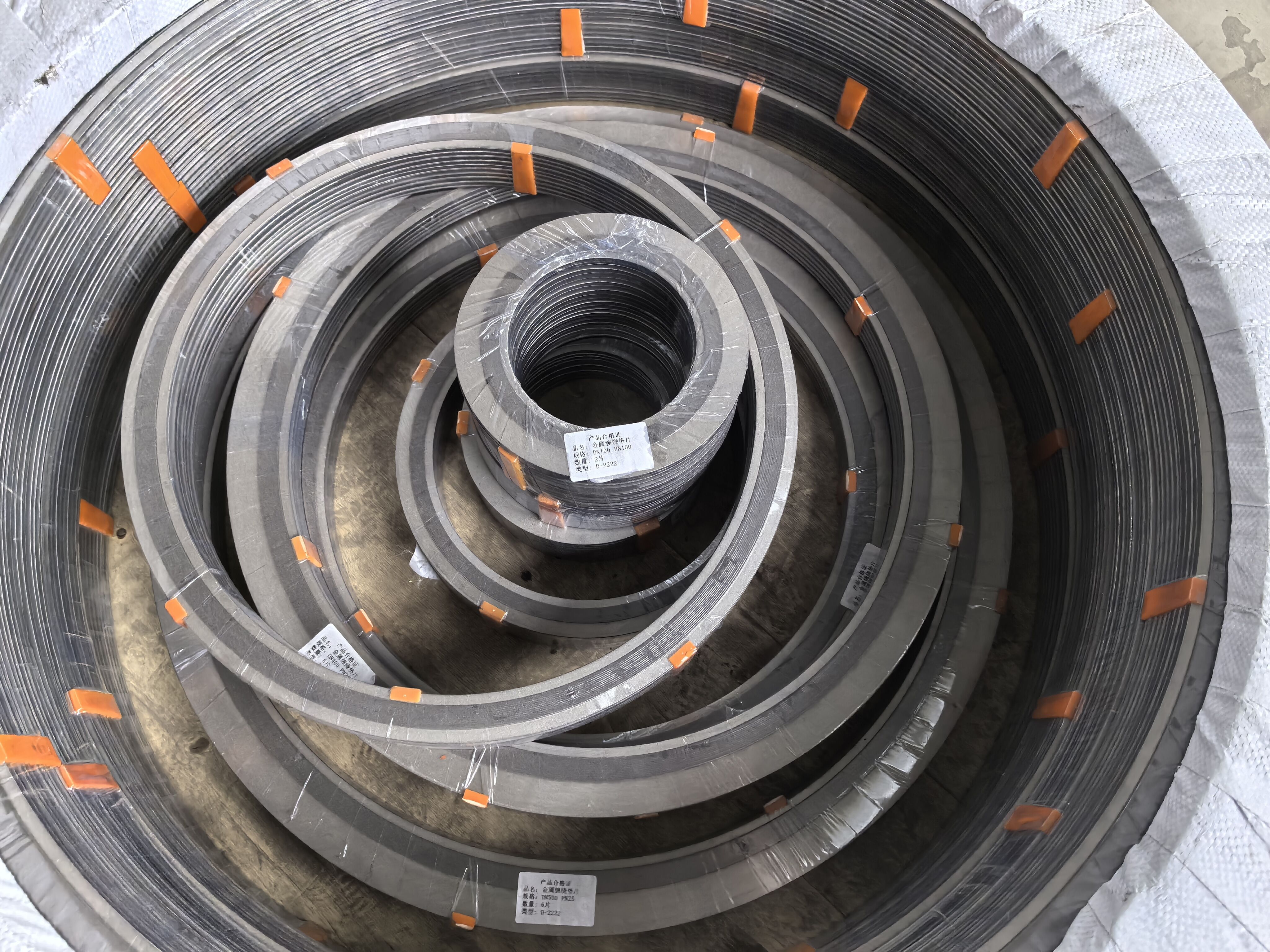
I. Seal Leakage: Aging or Mismatch of Rubber Rings/Gaskets
Fault Manifestation: Water or air leakage occurs at pipeline joints, with the volume of leakage increasing over time.
Causes: Aging or corrosion of seal materials, or a mismatch between seal specifications and fitting calibers, resulting in seal failure due to insufficient or excessive compression.
Handling Methods: Immediately shut down the system and relieve pressure, disassemble the joint, and take out the seal to check for cracks, deformation, or corrosion marks. Replace it with a seal of the same specification suitable for the medium. Clean impurities at the joint before installation to ensure a flat sealing surface, then fasten it according to the standard compression ratio to avoid displacement.
II. Fastener Loosening: Loosening or Fatigue Damage of Bolts/Nuts
Fault Manifestation: Loosening occurs at connecting parts such as flanges and clamps, accompanied by vibration and abnormal noise, and component displacement may occur in severe cases.
Causes: Failure to follow the diagonal tightening principle during installation, or fatigue loosening caused by long-term medium impact and temperature changes; substandard fastener materials, leading to reduced strength after rusting.
Handling Methods: Use a torque wrench to tighten step by step diagonally according to the specified torque to avoid uneven stress on one side. If fasteners are rusted or stripped, replace them directly with accessories of the same specification made of stainless steel or anti-corrosion materials. Install lock washers for high-temperature and high-pressure working conditions, and recheck the fastening status regularly.
III. Connecting Component Damage: Deformation or Cracking of Joints/Supports and Hangers
Fault Manifestation: Cracks appear on pipe fittings joints, supports, and hangers become deformed, and pipelines shift or sink.
Causes: Improper material selection, hidden damage caused by forced butt-joint during installation, or long-term impact of soil settlement and external extrusion.
Handling Methods: Stop using damaged components and replace them with accessories that match the pressure rating and material. Avoid knocking during butt-joint installation, and use calibration tools to ensure accurate alignment of joints. For deformed supports and hangers, readjust the spacing and load-bearing angle, and install reinforcement parts if necessary to distribute pressure and prevent secondary damage.
IV. General Precautions
Take safety protection measures before handling faults, and relieve pressure and drain the medium in the pipeline. Ensure that the specifications and materials of replacement accessories are consistent with the original system, and it is strictly prohibited to mix products of different standards. Conduct hydrostatic or air tightness tests after fault treatment, and resume operation only when no leakage is confirmed. Regularly inspect the aging degree of seals and the status of fasteners to avoid most faults in advance.
Previous: Flange Adapter Technical Principles
Next: Key Construction Technical Points of Mechanical Joint Fittings