How to Improve the Zero-Leakage Performance of Butterfly Valves?
Jan. 13, 2026
The zero-leakage performance of butterfly valves directly determines their sealing reliability in medium transportation systems, especially suitable for scenarios with strict requirements on leakage control. Improving zero-leakage performance requires systematic optimization from four core dimensions: sealing structure design, material selection, processing precision control, and installation and maintenance specifications.
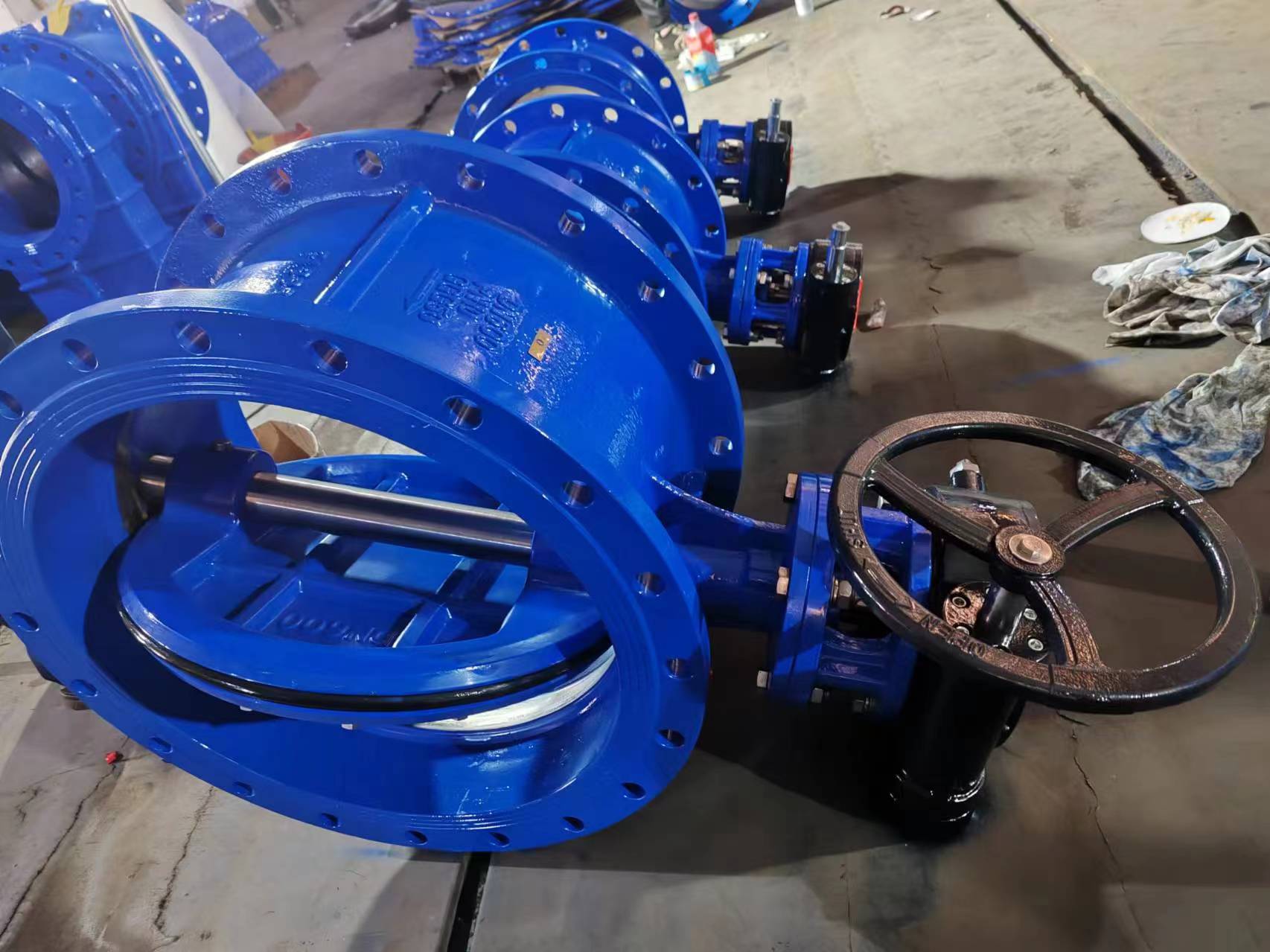
Optimize the sealing structure design. For soft-sealed butterfly valves, eccentric structures are preferred to enhance the pressing force between the valve disc and the sealing seat. Elastic sealing seat structures are designed to fill the micro gaps on the sealing surface through elastic deformation. Symmetrical bidirectional soft-sealed structures are used in scenarios that require sealing in both directions. In contrast, hard-sealed butterfly valves utilize multi-layer metal sealing structures to create a labyrinth sealing effect. Alternatively, metal-nonmetal composite sealing structures are employed to balance high temperature and pressure resistance while ensuring excellent sealing performance.
Precisely match sealing materials. The material for the soft sealing seat is chosen based on the type of medium it will encounter. For corrosive media, materials such as polytetrafluoroethylene (PTFE) or fluororubber are used. For high-temperature media, high-temperature-resistant EPDM or glass fiber-reinforced PTFE is selected. In the case of media containing particles, wear-resistant rubber or PTFE with wear-resistant fillers is ideal. Additionally, the sealing surface of the valve disc must be polished to ensure proper sealing. For hard-sealed valve discs, processes like nitriding and ceramic spraying are employed to enhance hardness and smoothness.
Strictly control processing and assembly precision. The sealing surfaces of the sealing seat and valve disc are precisely processed with CNC machine tools to control flatness and perpendicularity errors strictly. The vulcanization molding process is standardized to minimize dimensional deviations in the soft sealing seat. During assembly, ensure the coaxiality of the valve stem and the valve disc, position the sealing seat with special tooling to ensure concentricity, and control the compression amount of the sealing seat within a reasonable range.
Standardize installation, operation, and maintenance. Before installation, ensure that the sealing surfaces of pipelines and valves are free of debris. When connecting valves and pipelines, tighten the bolts diagonally. For large-diameter butterfly valves, install limit brackets. Regularly check the sealing surfaces for wear and aging, and replace any damaged seals promptly. Keep the valve stem properly lubricated, and perform regular anti-corrosion treatments in corrosive working conditions.
To enhance the zero-leakage performance of butterfly valves, it is essential to focus on four key elements: structural adaptation, material matching, precision control, and standardized operation and maintenance. Selecting the optimal solution based on specific working conditions is necessary to achieve a long-lasting and stable zero-leakage effect.
Previous: Analysis of Factors Affecting Opening and Closing Torque of Globe Valve
Next: Repairing Wear on Gate Valve Sealing Surfaces